
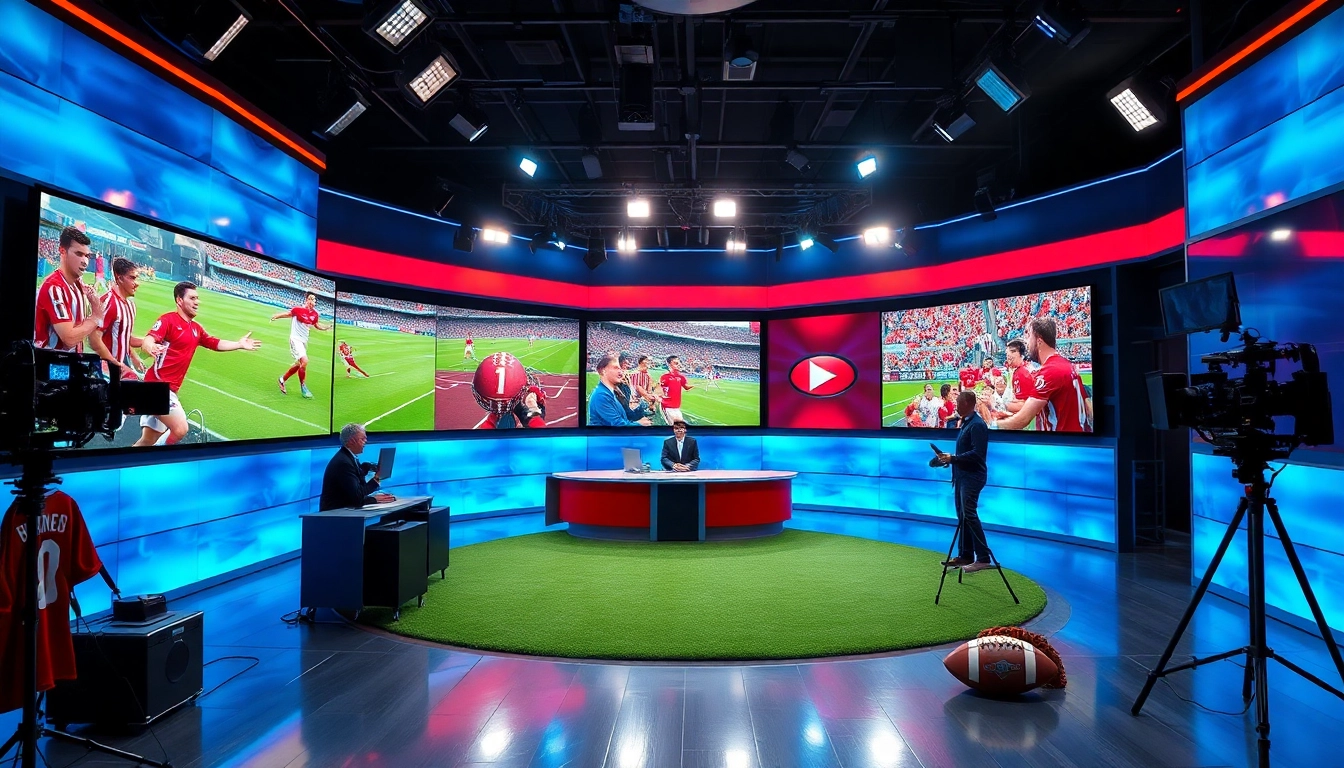
Understanding Sports Broadcasting
Overview of Sports Broadcasting
Sports broadcasting plays a crucial role in connecting fan interactions with live events, delivering not just the action but also the stories behind teams and athletes. From traditional television broadcasts to contemporary streaming platforms, the landscape of Sports Broadcasting has evolved significantly, offering a myriad of ways for fans to engage with their favorite sports. Understanding this field involves more than just acknowledging the games; it encompasses the technology, strategy, and audience engagement tactics that make it all possible. As digital transformation continues to accelerate, streaming services have bolstered the expansion of Sports Broadcasting, enabling users to access content on-the-go.
Key Components of Sports Broadcasting
There are several key components that define effective Sports Broadcasting. Firstly, the production quality is vital, encompassing audio and visual fidelity, camera angles, and graphics that enhance the viewer experience. Secondly, commentary provides context and excitement; a knowledgeable commentator can elevate the viewing experience by adding insights, analysis, and enthusiasm that viewers crave. Thirdly, technology plays a massive role, with tools ranging from high-definition cameras to augmented reality enhancing viewer engagement. Lastly, distribution strategies, including various platforms—broadcast, cable, and online—determine how effectively the content reaches audiences.
Historical Evolution of Sports Broadcasting
The journey of Sports Broadcasting has seen remarkable milestones. It began with radio broadcasts in the early 20th century, evolving into television broadcasts that brought events directly into homes. This shift changed the way fans experienced sports, transitioning from live attendance to viewing from the comfort of their living rooms. The emergence of cable television and satellite broadcasting in the 1980s further broadened access, allowing for dedicated sports channels. Today, digital media and on-demand platforms signify yet another evolution, enabling viewers to watch whenever and wherever they choose. This history illustrates not just the technological advancements, but also the shifting preferences of viewers.
Technologies in Sports Broadcasting
Overview of Broadcasting Technologies
The backbone of Sports Broadcasting lies in its technologies. High-definition cameras and real-time graphics offer dynamic viewing experiences, while drones and multiple camera angles provide unique perspectives from the field. Mobile broadcasting platforms leverage 5G technology, enabling live streams with minimal latency. Moreover, the integration of augmented and virtual reality tools allows viewers to engage with sports like never before, breaking the boundaries of traditional viewing. This technological foundation has paved the way for broadcasters to present compelling stories that resonate with audiences.
Emerging Tools for Enhanced Sports Broadcasting
Various emerging tools are poised to redefine Sports Broadcasting. Advanced analytics platforms offer insights on player performance and strategy, allowing broadcasters to share in-depth analysis. AI-driven content curation enables personalized viewing experiences tailored to individual preferences. Additionally, cloud technology enhances collaboration in production, allowing teams to work together seamlessly from different locations. The use of augmented reality for live stats and player information has also transformed how fans engage with the game, providing a richer viewing experience.
Impact of Streaming Technologies on Sports Broadcasting
Streaming technologies have revolutionized how audiences consume sports content. The flexibility to watch on various devices has led to increased engagement, particularly among younger demographics. While traditional cable subscriptions have seen a decline, subscription-based models and ad-supported streaming services are on the rise, offering fans diverse options. Furthermore, streaming allows for innovative coverage, from niche sports to regional events, that traditional broadcasters often overlook. As technology continues to advance, the implications for advertising, fan interaction, and content delivery represent new opportunities in the industry.
Audience Engagement in Sports Broadcasting
Best Practices for Engaging Viewers
Engaging viewers in Sports Broadcasting requires a multifaceted approach. First, interactive content, such as polls, quizzes, and live Q&A sessions with players or analysts, can enhance viewer involvement. Second, leveraging storytelling—highlighting players’ journeys, rivalries, and historic moments—builds emotional connections. Third, timely and relevant content on social media can drive real-time engagement, keeping fans involved even when they are not watching live. Lastly, maintaining a consistent schedule and format fosters familiarity and encourages live viewership.
The Role of Social Media in Sports Broadcasting
Social media is a formidable tool in enhancing Sports Broadcasting. Platforms like Instagram, Twitter, and Facebook allow for real-time interaction with fans through highlights, behind-the-scenes footage, and instant commentary. They help bridge the gap between broadcasts and fandoms, allowing fans to share their reactions and engage with others. Additionally, social media advertising can target specific demographics, offering content tailored to the interests and behaviors of different groups, creating a personalized fan experience.
Creating Interactive Experiences for Audiences
Creating interactive experiences is essential in modern Sports Broadcasting. This can include gamification elements, where fans predict the outcomes of events, gather points, or earn rewards based on their engagement levels. Virtual reality experiences at events or within broadcasts can immerse users in the action, making them feel like they are part of the event. Additionally, using QR codes during broadcasts or on social media can lead fans to exclusive content or experiences, enhancing their connection to the sport.
Challenges in Sports Broadcasting
Navigating Legal Issues
Legal issues present significant challenges in Sports Broadcasting, especially regarding copyrights and broadcasting rights. Securing exclusive rights to air games can be incredibly costly and competitive, often resulting in legal disputes. Additionally, content shared on social media must navigate intellectual property laws to prevent potential infringements. Broadcasters need to ensure compliance with regulations while also delivering unique content that captures audience interest.
Adapting to Changing Viewer Preferences
The rapid evolution of viewer preferences also poses challenges. As audiences increasingly favor on-demand content and personalized experiences, traditional broadcasters must adapt by offering flexible viewing options. They must consider the preferences of younger viewers who often bypass traditional television for online access. This dynamic landscape necessitates continuous research and understanding of audience behavior to remain relevant and competitive in the market.
Technology and Infrastructure Challenges
With the pace of technological advancement, maintaining and upgrading infrastructure to support new broadcasting technologies can be daunting. Many networks face the challenge of integrating old systems with new technologies, which may lead to increased costs and potential downtime. Furthermore, the demand for high-quality streaming requires robust internet connectivity and backend support systems, posing logistical and financial hurdles to many broadcasters.
The Future of Sports Broadcasting
Trends Shaping Sports Broadcasting
Several significant trends will shape the future of Sports Broadcasting. Artificial intelligence is becoming increasingly influential, with predictive analytics enhancing game strategies and viewer experiences. Personalization through algorithms will tailor content for individual preferences, optimizing engagement. Additionally, the rise of e-sports is prompting traditional broadcasters to adapt their strategies, catering to a younger audience that enjoys both conventional sports and video gaming. The increasing importance of sustainability will also influence content delivery, as audiences expect eco-friendly practices from their favorite sports organizations.
Predicted Changes in Viewer Behavior
Viewer behavior is poised for further evolution as technology, and social trends continue to unfold. Audiences are becoming more accustomed to interactive and immersive experiences, shifting away from passive consumption of content. Shorter, bite-sized highlights are gaining popularity, as busy viewers prefer catching up quickly rather than watching long broadcasts. Furthermore, multi-screen viewing experiences, where fans follow different events simultaneously via multiple devices, will become more commonplace. Understanding these shifts will be critical for future strategies in Sports Broadcasting.
Innovations to Watch in Sports Broadcasting
In the coming years, several innovations are expected to redefine Sports Broadcasting. Advances in 5G technology will enhance streaming quality, reducing lag and improving the clarity of broadcasts. Additionally, virtual reality and augmented reality could lead to entirely new viewing paradigms, making audiences feel as if they are in the stadium. Furthermore, blockchain technology may provide new avenues for monetization, such as ticket sales and merchandising, while ensuring transparency in transactions. Keeping a lookout for these innovations will remain essential for stakeholders in the industry.
FAQs about Sports Broadcasting
What is Sports Broadcasting?
Sports Broadcasting refers to the distribution of sports events to audiences through various media platforms, including television, radio, and online streaming services. It encompasses the entire experience from production to viewer engagement.
How has technology influenced Sports Broadcasting?
Technology has significantly enhanced Sports Broadcasting by introducing high-definition content, live streaming, augmented reality, and interactive features, transforming how audiences engage with sports events.
What are the main challenges in Sports Broadcasting?
Challenges include navigating legal issues regarding broadcasting rights, adapting to changing viewer preferences, and maintaining updated technology and infrastructure to meet viewer expectations.
How do broadcasters engage fans nowadays?
Broadcasters engage fans through interactive content, social media integration, personalized experiences, and immersive technologies that enhance the viewing experience and foster real-time interaction.
What is the future of Sports Broadcasting?
The future of Sports Broadcasting will be shaped by trends like increased personalization, AI-driven insights, innovative technology, and a strong focus on interactivity and viewer engagement across platforms.