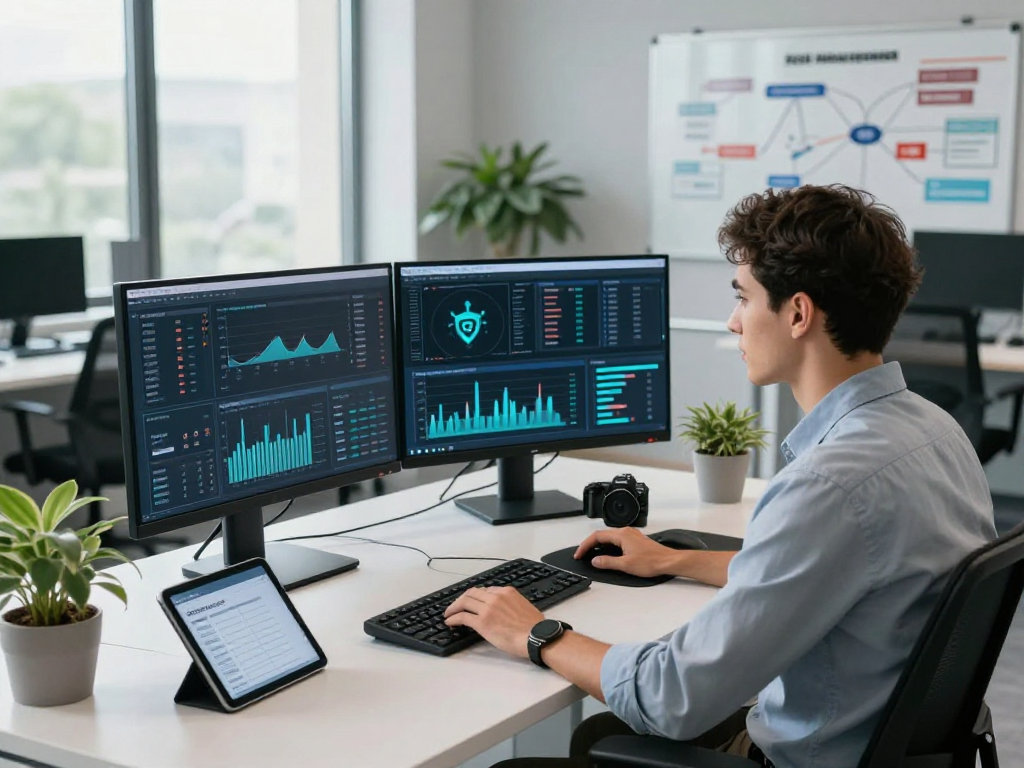
Understanding the Challenges in Daten- und IT-Sicherheit
The landscape of data and IT security is continually evolving as technology advances and cyber threats become more sophisticated. Organizations face numerous challenges in safeguarding their data, infrastructure, and reputation. Understanding these challenges is critical for any enterprise aiming to protect sensitive information and remain compliant with regulations. When exploring options, Daten- und IT-Sicherheit Dienstleistung offers comprehensive insights to help businesses navigate this complex environment.
Common Threats to IT Security
Among the most prevalent threats to IT security are malware, phishing, and data breaches. According to the 2023 Cybersecurity Almanac, cybercrime is predicted to inflict damages exceeding $10.5 trillion annually by 2025. This staggering figure underscores the urgency for businesses to bolster their security frameworks.
- Malware: This includes malicious software designed to disrupt, damage, or gain unauthorized access to computer systems. Ransomware, a type of malware, encrypts files until a ransom is paid.
- Phishing: This method tricks individuals into revealing sensitive information, often via deceptive emails or websites. Phishing attacks have become increasingly sophisticated, making them harder to detect.
- Data Breaches: Unauthorized access to confidential data leads to serious financial and reputational harm for businesses. High-profile breaches have affected companies worldwide, drawing attention to the need for robust security measures.
Regulatory Compliance Issues
With the introduction of strict regulations such as the General Data Protection Regulation (GDPR) in Europe, maintaining compliance is more critical than ever. Non-compliance can result in substantial financial penalties and legal repercussions. Businesses must implement comprehensive data protection strategies to meet compliance requirements and protect user data effectively.
Data Privacy Concerns
As consumers become more aware of data privacy issues, businesses are compelled to prioritize transparent data handling practices. Companies must ensure they obtain informed consent for data usage, abide by privacy laws, and implement measures that fortify consumer trust. Ensuring data integrity, availability, and confidentiality is paramount in the current digital landscape.
Why Choose Our Daten- und IT-Sicherheit Dienstleistung?
When it comes to securing your organization's data, choosing the right partner can make all the difference. Our Daten- und IT-Sicherheit Dienstleistung stands out because of our commitment to providing tailored solutions that address your specific security needs.
Comprehensive Security Solutions Overview
Our security offerings encompass a variety of solutions ranging from basic protection to advanced security systems. We monitor threats in real-time and utilize cutting-edge technology to deliver proactive defenses that evolve with the threat landscape.
Customization for Your Business Needs
No two organizations are alike, which is why we emphasize customization in our security packages. Whether you are a small business or a large corporation, we develop solutions that fit your operational model and risk appetite.
The Importance of Accessibility in Security
Accessibility in security solutions not only ensures that all users can engage with the system, but it also enhances overall security. By implementing user-friendly interfaces and making security processes intuitive, we reduce the likelihood of user error and bolster the effectiveness of our security measures.
Exploring Our Security Packages
We offer three distinct packages designed to cater to varying security requirements:
Basics of the Basis-Paket
The Basis-Paket is intended for organizations needing fundamental security protections. It includes essential tools to safeguard your data and IT infrastructure from common threats.
- Antivirus and Anti-malware protection
- Basic firewalls and intrusion detection systems
- Security training for staff
Advanced Features of the Profi-Paket
Designed for enterprises requiring more comprehensive protection, the Profi-Paket includes advanced features such as:
- Advanced threat detection and response
- Enhanced encryption for sensitive data
- Regular security audits and assessments
Tailored Options in the Individuelles-Paket
The Individuelles-Paket is a bespoke solution tailored to meet unique business challenges. This package is flexible and can include any combination of services, ensuring that every aspect of your business's security is comprehensively covered.
Implementing Effective IT Security Strategies
Implementing a robust IT security strategy is essential for protecting your organization. Here are key best practices that businesses should integrate into their security frameworks:
Key Best Practices for Data Protection
- Regular Updates: Ensure all software and hardware are kept up to date to protect against vulnerabilities.
- User Education: Continuous training for employees on security protocols and recognizing phishing attempts can drastically reduce risks.
- Data Backup: Regularly back up data to prevent loss in case of a breach or hardware failure.
Step-by-Step Guide to Security Implementation
- Risk Assessment: Identify potential vulnerabilities in your infrastructure.
- Develop a Security Policy: Create clear guidelines for data handling and security practices.
- Implement Security Measures: Utilize firewalls, anti-virus software, and intrusion detection systems.
- Monitor and Adjust: Continuously monitor security systems and adapt to new threats.
Measuring Security Success: Metrics and Indicators
To effectively gauge the success of your security efforts, monitoring specific metrics is essential. Key performance indicators (KPIs) may include:
- Number of security incidents detected
- Time taken to respond to incidents
- User compliance rates with security policies
Future Trends in Daten- und IT-Sicherheit for 2026
As we look forward to 2026, several trends in data and IT security are emerging that businesses should be aware of:
Emerging Technologies and Their Impact
Artificial intelligence (AI) and machine learning (ML) are revolutionizing IT security by enabling real-time threat analysis and automated response mechanisms. These technologies can help identify potential vulnerabilities faster than human analysts, allowing for proactive security measures.
Predictions for Security in the Digital Age
Cybersecurity will continue to be a top priority for businesses across all industries. With the increasing reliance on cloud services and remote work, organizations must adapt their security strategies to address these changes, ensuring that data remains secure irrespective of its location.
Preparing for Evolving Compliance Standards
As regulations evolve, businesses must stay ahead of compliance requirements. Regular training and audits will play a crucial role in ensuring adherence to data protection laws and regulations expected to tighten in the coming years.
What are the key components of a strong data security strategy?
A strong data security strategy includes comprehensive risk assessment, employee training, robust security technologies, and regular audits to ensure ongoing compliance and protection.
How can businesses ensure compliance with data protection laws?
By establishing clear data handling policies, maintaining up-to-date documentation, and conducting regular training sessions, businesses can effectively ensure compliance with data protection laws.
What should companies look for in a data security service provider?
When selecting a provider, companies should consider their expertise in security solutions, track record in the industry, ability to customize services, and commitment to transparency and education.
How do you measure the effectiveness of a security solution?
Evaluating the effectiveness of a security solution involves analyzing incident reports, response times, and compliance metrics, as well as conducting regular threat assessments.
What emerging threats should we be aware of in the coming years?
Emerging threats include increasingly sophisticated ransomware attacks, supply chain vulnerabilities, and the risks associated with the Internet of Things (IoT) devices that can create new attack surfaces.